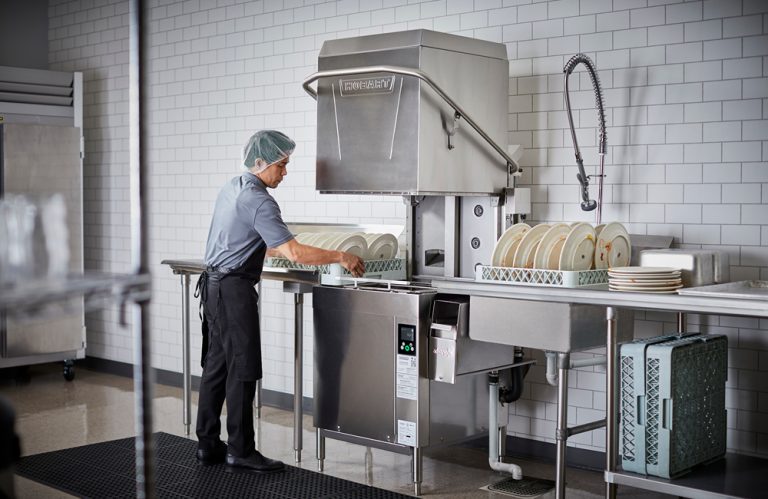
In the fast-paced world of the food service industry, efficiency and cleanliness are paramount. Investing in a commercial dishwashing machine represents a strategic decision that can significantly enhance operational productivity while ensuring the highest hygiene standards. Unlike traditional dishwashing methods, which can be labor-intensive and time-consuming, modern commercial dishwashers are designed to deliver rapid, thorough cleaning results, enabling restaurants, cafes, and catering services to process large volumes of dishware in a fraction of the time. These machines not only optimize workflow by reducing manual labor but also minimize water and energy consumption, leading to substantial cost savings in the long run. Moreover, the advanced technology featured in contemporary models, including high-temperature sanitization and automated cycles, guarantees that dishes, utensils, and glassware are not just visibly clean but sanitized to meet health regulations. As businesses seek to elevate their service quality and operational efficiency, the choice to invest in a commercial dishwashing machine is not merely a purchase; it is a commitment to delivering exceptional dining experiences while maintaining a clean and safe environment for both staff and customers. This article explores the myriad benefits of commercial dishwashing machines and offers insights into selecting the right model for your establishment’s unique needs.
– Enhance Efficiency with Commercial Dishwashing Machines
The implementation of commercial dishwashing machines significantly streamlines kitchen operations, allowing establishments to handle higher volumes of dishware in less time. These machines are designed with advanced technology to optimize washing cycles, ensuring that all items receive thorough cleaning while consuming minimal water and energy. As a result, businesses can increase their overall productivity, reduce labor costs, and maintain a high standard of cleanliness, all of which are critical in the competitive foodservice industry.
Moreover, commercial dishwashing machines provide a level of consistency and reliability in washing that manual methods simply cannot match. With features such as adjustable wash cycles, temperature controls, and specialized wash settings for delicate items, these machines cater to diverse needs while adhering to health and safety regulations. By investing in a commercial dishwashing machine, restaurants and catering services can not only enhance their operational efficiency but also offer a better dining experience for their customers, ultimately driving customer satisfaction and loyalty.
Streamline operations and reduce labor time with advanced cleaning technology.
elevate their operational efficiency and ensure that staff can focus on higher-value tasks rather than spending excessive time on dishwashing. The automation provided by these machines cuts down on manual labor, allowing employees to redirect their efforts toward customer service and food preparation, ultimately enhancing the dining experience. With the ability to quickly process large quantities of dishware, establishments can also minimize wait times and maintain a seamless flow during peak hours, contributing to improved customer satisfaction.
In addition to labor savings, the advanced cleaning technology within commercial dishwashing machines is designed to enhance sanitation efforts. The high-temperature rinse cycles and powerful jets effectively eliminate stubborn residues and bacteria, ensuring that every plate, glass, and utensil meets stringent hygiene standards. This not only boosts customer confidence but also mitigates the risk of health code violations, which can have serious repercussions for any foodservice operation. By adopting such technology, businesses position themselves for long-term success in a rapidly evolving market.
– Ensure Superior Cleanliness and Hygiene
The implementation of a commercial dishwashing machine significantly elevates the standards of cleanliness and hygiene within food service environments. By utilizing state-of-the-art sanitization processes, these machines offer a level of cleanliness that manual washing cannot achieve, particularly in terms of temperature and speed. The high-temperature rinse cycles, combined with specialized detergents, eliminate the risk of cross-contamination and ensure that all dishware is not only visibly clean but also free from harmful pathogens. This meticulous approach to hygiene is crucial in maintaining compliance with health regulations and promoting a safe dining experience for customers.
Moreover, investing in a commercial dishwashing machine contributes to the overall efficiency of food service operations. With quicker turnaround times for cleaning and sanitizing dishware, establishments can maintain a constant supply of clean utensils and plates, which is essential during peak service hours. This reliability not only improves workflow but also enhances customer satisfaction, as patrons can enjoy their meals without delay. In a competitive market, such commitment to hygiene not only protects the establishment’s reputation but also fosters customer loyalty by reassuring patrons of a commitment to their health and well-being.
Commercial dishwashing machines provide thorough sanitation for dishes and utensils.
The capability of a commercial dishwashing machine to deliver thorough sanitation for dishes and utensils is a fundamental aspect of its design. These machines utilize advanced technology to achieve precise temperature control and optimum wash cycles, ensuring that every item is subjected to conditions that effectively eliminate bacteria and other harmful microorganisms. By employing high-pressure jets and specialized filtration systems, the machines ensure that all surfaces, including hard-to-reach areas, are consistently sanitized. This thorough approach not only enhances the cleanliness of dining ware but also safeguards against potential health risks associated with inadequate sanitation.
In addition to promoting health and safety, commercial dishwashing machines streamline operations by reducing the manual labor involved in dishwashing. As they automate the cleaning process, staff can allocate their time and efforts towards other essential tasks within the establishment, thereby increasing overall productivity. The reliability and effectiveness of these machines in delivering sanitized dishes and utensils foster a sense of confidence among both staff and patrons, ensuring that every dining experience is not only enjoyable but also meets the highest standards of hygiene.
– Long-Term Investment for Cost Savings
Investing in a commercial dishwashing machine represents a strategic decision that can lead to significant long-term cost savings for businesses. By automating the dishwashing process, these machines dramatically decrease the time and labor associated with manual washing, allowing staff to focus on higher-value activities that enhance customer service and operational efficiency. Furthermore, commercial dishwashing machines are designed to operate more efficiently in terms of water and energy consumption compared to traditional washing methods. This efficiency translates to lower utility bills over time, making the initial investment more justifiable as savings accumulate.
Additionally, the durability and reliability of commercial dishwashing machines contribute to their cost-saving potential. Built to withstand the rigorous demands of a high-volume environment, these machines require fewer replacements and repairs than standard dishwashing solutions. The consistent performance of a commercial dishwashing machine minimizes the risk of delayed service due to equipment failure, thereby improving overall operational productivity. Over the lifespan of the machine, the combination of reduced labor costs, lower utility expenses, and enhanced reliability significantly offsets the initial purchase cost, confirming the value of this investment in the long run.
Reduce water and energy costs with efficient commercial dishwashing machine features.
features of modern commercial dishwashing machines, such as advanced sensors and specialized wash cycles, are engineered to optimize water and energy usage. These machines often include high-efficiency pumps and heater systems that consume far less water and energy while still delivering superior cleaning performance. By utilizing features like adjustable wash cycles, operators can further customize their usage based on the specific needs of their operation, resulting in even greater resource conservation.
Moreover, the integration of smart technology in many commercial dishwashing machines allows for real-time monitoring and analytics, enabling businesses to track their water and energy consumption accurately. This data can inform operational adjustments that enhance efficiency, leading to further reductions in utility costs. As businesses seek to improve their sustainability practices, investing in an efficient commercial dishwashing machine not only supports financial goals but also aligns with broader environmental objectives, making it a comprehensive solution for modern operations.
In conclusion, investing in a commercial dishwashing machine is a strategic decision that can significantly enhance the efficiency and cleanliness of your establishment. By streamlining the dishwashing process, these machines not only save valuable time but also ensure that hygiene standards are met consistently, which is crucial in today’s competitive market. With the ability to handle high volumes of dishes while reducing water and energy usage, a commercial dishwasher proves to be a sustainable choice that benefits both your operations and the environment. Ultimately, the integration of this technology can lead to improved service delivery, satisfied customers, and a stronger bottom line, making it a worthwhile investment for any restaurant or food service business.