
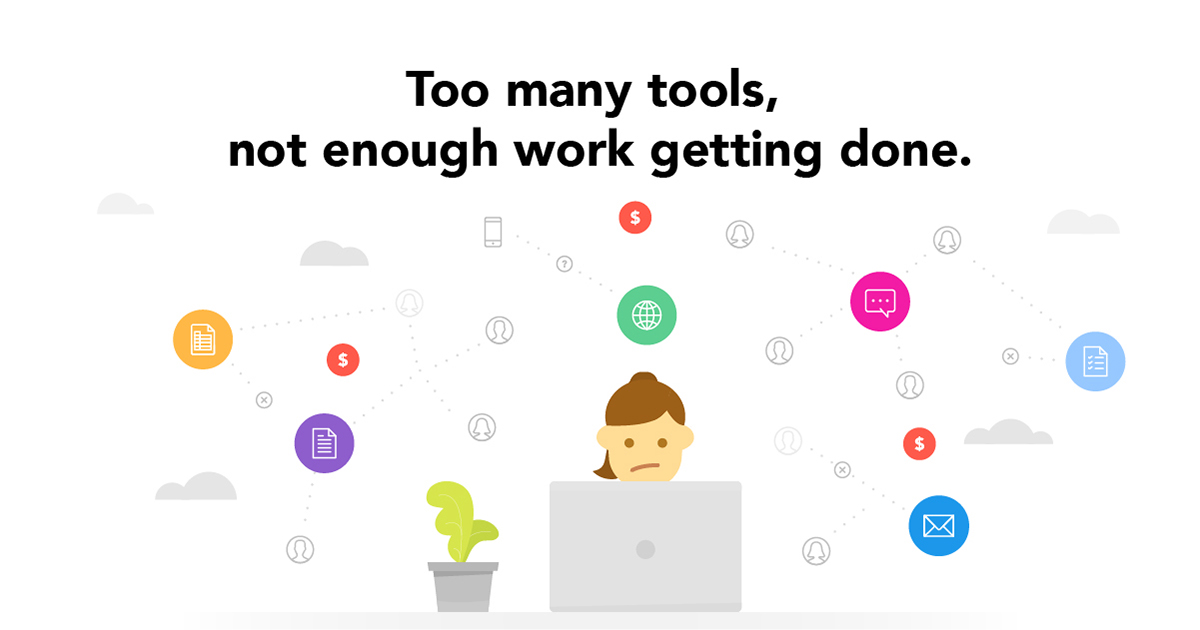
Modern businesses have no shortage of digital tools promising better productivity, faster growth, and smarter decisions. Yet many teams end up juggling dozens of platforms that overlap, confuse users, and slow real progress. Tool overload happens when technology is adopted faster than it is planned, leading to wasted budgets and frustrated teams. A thoughtful approach to technology planning helps organizations stay focused, efficient, and scalable.
Understand the Real Problem Before Adding Tools
Many businesses buy new software to fix symptoms rather than root causes. A missed deadline, slow reporting process, or communication gap does not always require a new platform.
Before adopting any tool, clearly define:
-
The exact problem you are trying to solve
-
Who is affected and how often the issue occurs
-
Whether process changes could solve it without new software
When teams pause to diagnose the issue, they often discover that existing tools are underused or misconfigured rather than insufficient.
Audit Your Current Tool Stack Regularly
A tool audit creates visibility into what your business already uses and what value each tool delivers. This step alone often reveals redundancies.
During an audit, list:
-
All active tools and subscriptions
-
Primary use cases for each tool
-
Number of active users
-
Monthly or annual cost
Eliminate or consolidate tools that serve similar functions or are rarely used. Fewer tools with higher adoption almost always outperform a crowded tech stack.
Prioritize Integration Over Novelty
A tool that works well in isolation can become a burden if it does not connect with the rest of your systems. Manual data transfers and duplicate entries increase errors and consume time.
When evaluating tools, focus on:
-
Native integrations with existing platforms
-
API availability for future connections
-
Data consistency across systems
Strong integration reduces friction, keeps data reliable, and prevents teams from switching between multiple interfaces to complete simple tasks.
Define Clear Ownership for Each Tool
Tool overload often grows when no one is accountable for technology decisions. Without ownership, tools linger long after they stop delivering value.
Assign a clear owner for every major tool who is responsible for:
-
User access and permissions
-
Training and onboarding
-
Periodic value reviews
This ensures tools remain aligned with business needs and do not become digital clutter.
Align Tool Selection With Business Goals
Technology should support strategy, not distract from it. Tools chosen without a clear connection to business goals often fail to justify their cost.
Before approval, ask:
-
Does this tool support current growth priorities?
-
Will it still be useful in 12–24 months?
-
Can it scale with the business without major upgrades?
Goal-driven selection keeps your tech stack lean and future-ready.
Limit Tool Adoption Through Standardization
Allowing every team or individual to choose their own tools quickly leads to fragmentation. While flexibility matters, boundaries are essential.
Create standards for:
-
Project management
-
Communication
-
Data storage and reporting
Standardization improves collaboration, simplifies training, and reduces the temptation to add unnecessary tools.
Train Teams to Maximize Existing Tools
Underutilization is one of the biggest drivers of tool overload. Teams often request new software because they are unaware of features already available.
Invest in:
-
Short internal training sessions
-
Clear documentation for common workflows
-
Periodic refreshers when tools update
Better usage often removes the need for additional tools entirely.
Review Technology Decisions on a Fixed Schedule
Technology planning should be ongoing, not reactive. Schedule quarterly or biannual reviews to evaluate whether each tool still earns its place.
During reviews, consider:
-
Actual usage versus expected usage
-
Impact on productivity and outcomes
-
Feedback from daily users
This habit prevents tech stacks from growing unchecked and keeps decisions intentional.
FAQ: Technology Planning and Tool Overload
What is tool overload in a business context?
Tool overload occurs when an organization uses too many digital tools, creating complexity, confusion, and inefficiency instead of productivity gains.
How does tool overload affect employee performance?
It increases cognitive load, slows workflows, and often leads to lower adoption, frustration, and inconsistent data across teams.
How often should a business review its technology stack?
Most growing businesses benefit from reviewing their tools every three to six months to ensure relevance and value.
Is it better to use all-in-one platforms or specialized tools?
All-in-one platforms reduce complexity, while specialized tools offer depth. The right choice depends on integration strength and actual usage needs.
Who should be involved in technology planning decisions?
Decision-making should include leadership, IT or operations, and representatives from teams who will use the tools daily.
Can tool overload impact business costs significantly?
Yes. Redundant subscriptions, low adoption, and inefficiencies often result in higher expenses with minimal return.
What is the first step to fixing tool overload?
Start with a complete audit of existing tools to identify redundancies, underused software, and opportunities for consolidation.
A disciplined approach to technology planning keeps tools working for your business rather than against it. When every tool has a clear purpose, owner, and connection to strategy, teams stay focused and technology becomes an advantage instead of a burden.


Comments are closed.