
Introduction
Singapore’s corporate sector operates at a pace that takes a measurable toll on the physical and mental health of its workforce. Absenteeism, presenteeism, burnout, and rising chronic disease rates are not abstract statistics. They are line items on every HR department’s annual review. And they are growing.
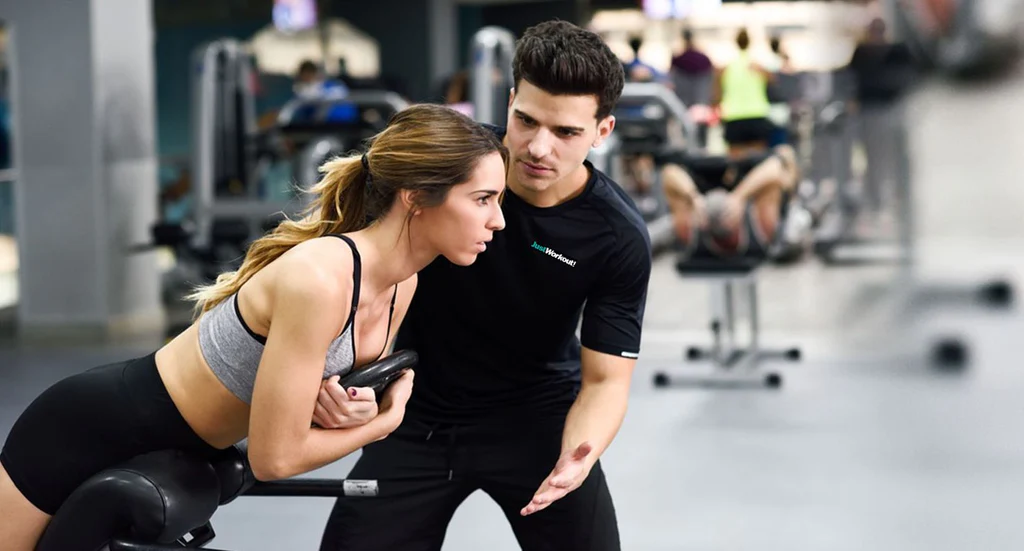
Most corporate wellness programmes in Singapore respond to this challenge with generic solutions: fruit Tuesdays, standing desk subsidies, and lunchtime yoga classes that 20 percent of the team attends once. These initiatives are well-intentioned but rarely move the needle on the metrics that matter. A more targeted and evidence-based approach involves giving employees structured access to a personal gym trainer Singapore as part of a comprehensive, individualised workplace wellness strategy.
The Business Case for Investing in Employee Fitness
The financial argument for corporate investment in employee fitness is well-supported by research. Companies with structured wellness programmes consistently report lower medical insurance claims, reduced absenteeism rates, higher employee retention scores, and improved productivity metrics. A study published in the Journal of Occupational and Environmental Medicine found that employees who exercised regularly reported significantly higher job performance, better concentration, and greater ability to manage workplace stress than their sedentary counterparts.
In Singapore’s context, the stakes are particularly high. The Ministry of Health’s annual National Population Health Survey consistently identifies physical inactivity, overweight and obesity, and high blood pressure as among the most prevalent health risks in the working-age population. These conditions are not just personal health concerns. They are direct drivers of higher healthcare utilisation, longer medical leave, and reduced cognitive performance at work.
Why Group Fitness Classes Fall Short for Corporate Wellness
The most common corporate wellness fitness initiative in Singapore is the subsidised group fitness class: a weekly yoga session, a Zumba class on Friday afternoons, or access to a discounted gym membership that employees rarely use. These initiatives have value, but they share a critical limitation — they are not personalised.
Group fitness addresses the average participant, not the individual. An employee with chronic lower back pain from years of desk work needs very different exercise prescription than a colleague who is an active recreational runner. An employee in the early stages of type 2 diabetes has entirely different training requirements from a healthy 28-year-old with no metabolic concerns. Group classes cannot address these differences. A personal trainer can.
Personalised training also dramatically improves adherence. People stick with programmes that are designed specifically for them and that deliver visible results. Generic group classes have notoriously high dropout rates after the initial novelty wears off. A well-designed personal training programme, reviewed and adjusted regularly by a qualified trainer, creates a relationship of accountability that sustains long-term behaviour change.
How Singapore Companies Can Structure a Personal Training Benefit
There are several practical models through which Singapore companies can incorporate personal training into their wellness benefit structure. The most straightforward is a subsidised session package, where the company covers a portion of the cost of personal training sessions at a partner gym, with the employee contributing the remainder. This model keeps costs manageable while creating genuine skin in the game for the employee.
A second model is the corporate partnership arrangement, where the company negotiates preferential rates for employees at a gym with multiple convenient locations. TFX’s locations at Funan, Millenia Walk, and CIMB Plaza are strategically positioned within Singapore’s key business and commercial districts, making them highly accessible for CBD-based employees during lunch breaks or before and after work without significant commute time.
A third model integrates personal training sessions into a flexible benefits or total rewards framework, where employees can choose personal training as one component of their annual wellness allocation alongside dental, optical, and mental health benefits. This approach gives employees agency over their wellness choices while ensuring that personal training is a recognised and valued option.
ROI of Personal Training in a Corporate Context
Measuring the return on investment of a corporate personal training benefit requires tracking the right metrics from the outset. Annual health screening data provides a clear baseline and follow-up reference point. Comparing BMI, blood pressure, fasting glucose, and cholesterol levels before and after a structured training intervention gives HR and finance teams concrete data to assess impact.
Absenteeism rates, tracked by department against wellness programme participation data, are another measurable indicator. Companies that have implemented personal training programmes as part of a broader corporate wellness strategy report meaningful reductions in sick leave days taken per employee per year within 12 to 18 months of programme launch.
Employee engagement survey scores, particularly questions related to physical wellbeing, energy levels, and perception of employer care, consistently improve in organisations that invest meaningfully in personalised fitness support. In Singapore’s tight talent market, this has direct implications for retention and recruitment competitiveness.
What to Look for in a Corporate Gym Partner in Singapore
Not every gym is equipped to serve as an effective corporate wellness partner. The key criteria to evaluate are trainer certification and specialisation diversity, scheduling flexibility to accommodate varied work patterns including early mornings, lunch hours, and evenings, multiple locations to serve employees across different parts of Singapore, and a structured programme model that delivers consistent, measurable outcomes rather than ad-hoc sessions without direction.
Experience with special populations is also important in a corporate context, where the employee group will inevitably include individuals with injuries, chronic conditions, pregnancies, and widely varying fitness levels. A gym whose trainers can work safely and effectively across this entire spectrum is significantly more valuable as a corporate partner than one that caters only to already-fit clients seeking to optimise performance.
Frequently Asked Questions
Can my company partner with TFX for employee personal training in Singapore? Yes. TFX has three conveniently located facilities in Singapore’s key business districts and a team of certified trainers across multiple specialisations. Companies interested in exploring a corporate wellness partnership are encouraged to reach out to TFX directly to discuss programme structures and pricing.
How do we measure the ROI of a corporate personal training programme? The most reliable measurement framework tracks annual health screening results, absenteeism rates, and employee engagement survey scores before and after programme implementation. A 12 to 18 month evaluation window provides sufficient data to assess meaningful impact.
Are personal training sessions tax-deductible as a staff benefit in Singapore? Tax treatment of staff benefits in Singapore should be confirmed with a qualified tax adviser, as it depends on how the benefit is structured and whether it is provided to all staff or selectively. IRAS guidelines on employee benefits provide a useful starting reference.
What is the typical commitment required for a corporate wellness personal training arrangement? This varies by programme structure. Some companies start with a pilot cohort of interested employees on a 3-month programme before scaling. Others implement organisation-wide access from launch. A phased approach typically delivers the most manageable cost profile and allows for programme refinement based on early participant feedback.
Can personal training be included in a flexible benefits scheme? Yes, and this is increasingly common among Singapore’s more progressive employers. Including personal training as an eligible category within a flexible benefits platform gives employees the autonomy to allocate their wellness budget in the way that is most meaningful to them.
TFX Singapore is positioned to be a meaningful corporate wellness partner for Singapore businesses that are serious about improving the health, performance, and retention of their workforce through personalised, science-based fitness programming.


Comments are closed.