
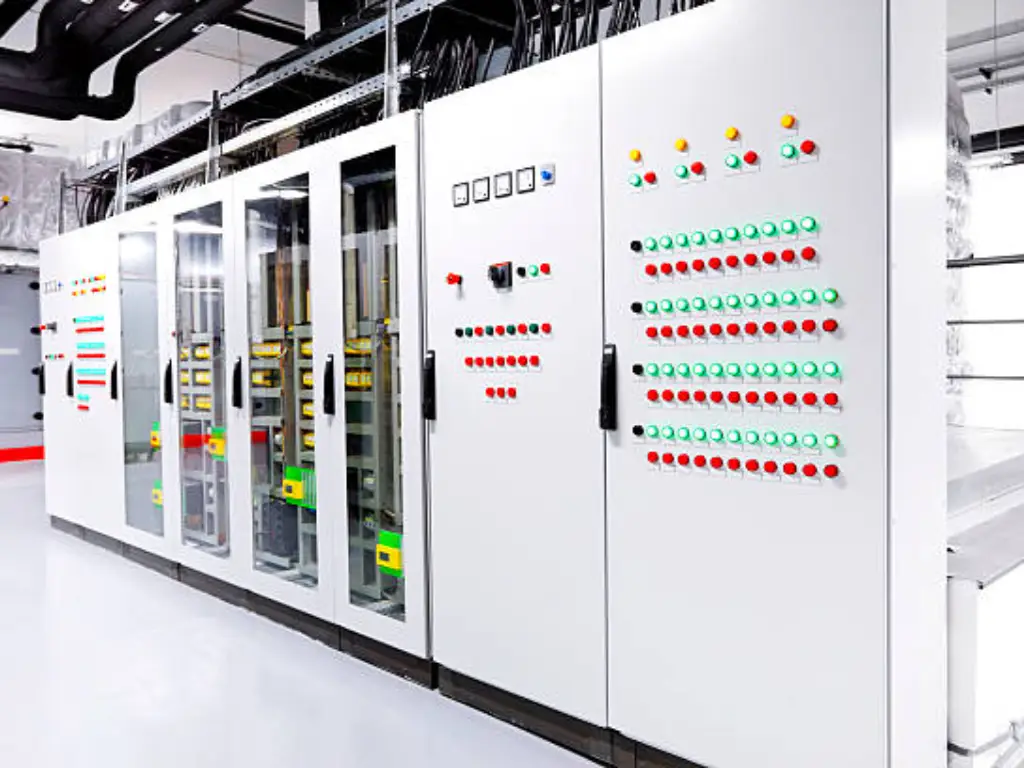
Many electronic systems need to operate inside carefully controlled environments. These may include vacuum equipment, medical instruments, aerospace devices, laboratory systems, sensors, and industrial machinery.
In these applications, maintaining separation between the electronics and surrounding environment may be essential for performance, cleanliness, safety, or durability.
Many advanced electronic systems rely on a durable hermetic seal to protect sensitive components from environmental exposure. Various sealing techniques are available to meet the requirements of specialized applications.
Define What Must Be Controlled
The phrase controlled environment can mean different things depending on the application.
One system may need to keep water out. Another may need to prevent gas exchange. A vacuum instrument may require extremely low leakage. A medical device may need to tolerate repeated sterilization.
Design requirements should therefore begin with a clear definition of what the environmental barrier must accomplish.
Without this information, it is difficult to select appropriate materials or sealing methods.
Consider Pressure Differences
Pressure can place continuous mechanical force on an enclosure or sealed interface.
Vacuum systems experience external atmospheric pressure acting against the chamber. Pressurized equipment may experience force in the opposite direction.
These loads influence enclosure thickness, joint design, connector selection, and sealing methods.
Pressure cycling can be particularly demanding because components repeatedly load and unload.
Account for Temperature
Temperature affects mechanical, electrical, and sealing performance.
Materials expand and contract at different rates. Polymers may change flexibility. Adhesives may soften or become brittle.
Electronic components also generate their own heat.
A sealed enclosure may trap that heat, creating higher internal temperatures than expected.
Thermal management therefore needs to be integrated into the environmental protection strategy.
Select Compatible Materials
Material compatibility should be evaluated across the complete system.
Metals, ceramics, glass, polymers, adhesives, coatings, and insulating materials may all be present in one assembly.
Their thermal expansion, chemical resistance, electrical properties, and mechanical behavior should remain compatible throughout the expected operating range.
Outgassing may also matter in vacuum or optical applications.
Materials that release volatile compounds can contaminate sensitive surfaces or interfere with measurements.
Plan Electrical Connections Carefully
Even a highly sealed enclosure still needs power, signals, or communication interfaces.
Every penetration through the enclosure creates a possible leakage path.
Engineers therefore need to consider how electrical connections cross the environmental boundary.
The design must meet both electrical requirements and sealing requirements.
Signal integrity, voltage, current, shielding, insulation, and mechanical support remain important.
Control Manufacturing Processes
Sealed systems often depend heavily on manufacturing consistency.
Surface contamination, poor alignment, dimensional variation, or incomplete bonding can create defects.
Cleanliness may be particularly important in vacuum, medical, or precision applications.
Manufacturing procedures should define how parts are prepared, assembled, inspected, and tested.
For critical systems, process traceability can help identify the cause of failures.
Validate Leakage Performance
Visual inspection alone cannot always identify small leakage paths.
Testing methods depend on the required level of environmental isolation.
Some products may only need water or pressure testing. Highly controlled systems may use more sensitive leak-detection methods.
The test criteria should reflect actual system requirements rather than an arbitrary target.
Think About Maintenance
Sealing and serviceability can conflict.
Permanent sealing methods may offer excellent environmental protection but make repair difficult.
Removable covers are easier to service but introduce additional sealing interfaces.
Designers should consider whether the equipment will be repaired, recalibrated, inspected, or replaced during its service life.
If maintenance is expected, sealing surfaces should be accessible and durable enough to tolerate repeated opening.
Include Environmental Margin
Systems rarely operate under perfectly predictable conditions.
Temperature may exceed normal levels temporarily. Pressure may fluctuate. Equipment may experience unexpected vibration or contamination.
Providing reasonable design margin can help accommodate these variations.
However, excessive margin can increase cost, weight, and complexity.
Engineering judgment is required to balance reliability with practical constraints.
Test the Complete Assembly
Individual components may perform correctly when tested separately, but the complete assembly can behave differently.
Interfaces between components are often where problems occur.
System-level environmental testing can identify weaknesses in mounting, sealing, cable routing, or thermal management that would otherwise remain hidden.
Controlled Environments Require Integrated Engineering
Creating a reliable sealed electronic system involves more than choosing an enclosure.
Electrical design, mechanical engineering, materials, thermal management, sealing technology, manufacturing, and testing all need to work together.
Considering these requirements from the beginning helps engineers create equipment that maintains its intended environment throughout its service life.


Comments are closed.